FWC upholds dismissal for post-party pub punch
The FWC upheld the sacking of a worker who punched a colleague at a pub 200m from Arts Centre Melbourne's Christmas party. Duty of care followed him out the door.
Daniel Okafor
· 4 min read
Australia's Fair Work Commission has upheld the summary dismissal of a building maintenance officer who struck a colleague in the head at a pub roughly 200 metres from his employer's Christmas party venue — after the official event had ended. The decision, Cameron Bell v Arts Centre Melbourne [2026] FWC 3212, handed down in August, confirms that an employer's code of conduct and duty of care can follow workers out the door and down the road.
The case lands as end-of-year functions approach, and it touches a concrete people-process question: what HR must document, communicate and enforce when staff "kick on" — continue drinking at another venue — after a work-sponsored event.
What happened at the kick-on?
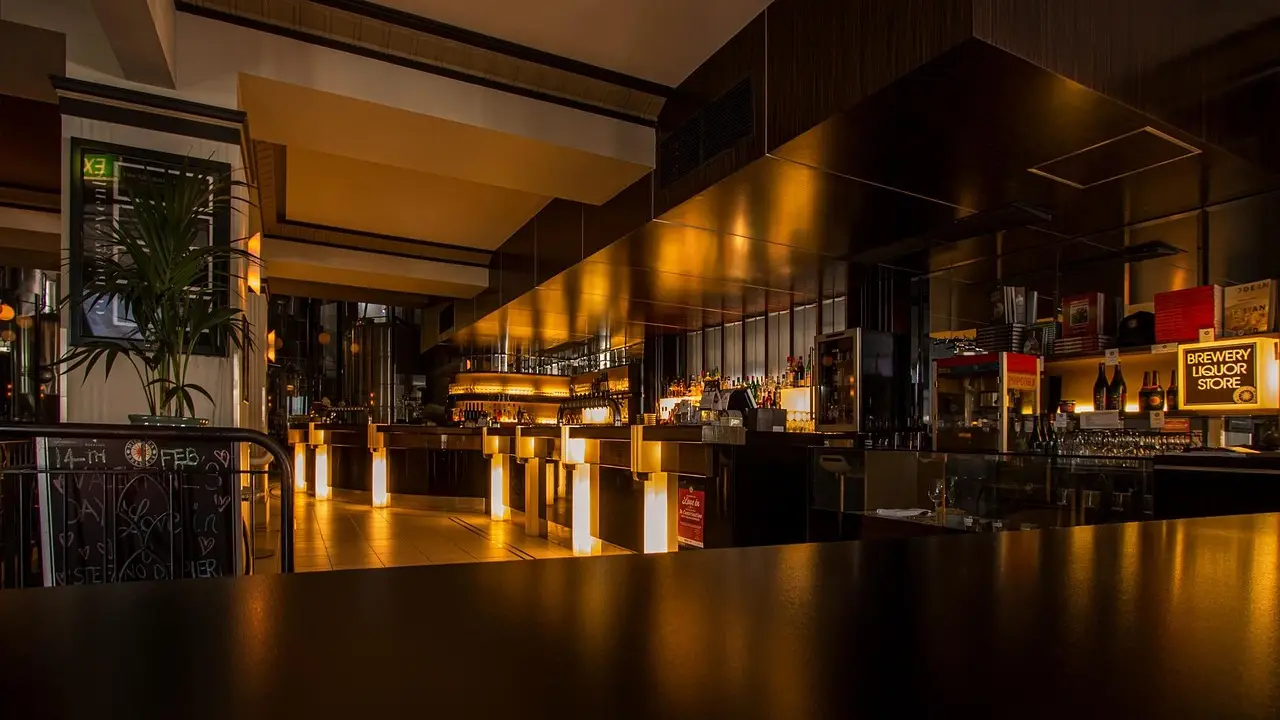
Arts Centre Melbourne (ACM), a Victorian public sector arts agency, held its December 2024 function for around 600 staff. It wrapped up at about 7pm on 9 December 2024. About 20 employees then walked to Beer DeLuxe at Federation Square. ACM did not organise, fund or authorise that gathering.
In the smoking area, an argument escalated. The worker struck a colleague — the agency's head of venue planning, a man he had never met — who fell into a gas heater and onto the ground. The worker was suspended on pay the next day and summarily dismissed on 19 December 2024.
What legal test did the Commission apply?
The Commission applied the test from Rose v Telstra Corporation (1998): whether out-of-hours conduct is "of such gravity or importance as to indicate a rejection or repudiation of the employment contract by the employee".
Commissioner Perica found two of the test's three limbs were met. The conduct was likely to seriously damage the employment relationship, and it was incompatible with the worker's duty as an employee. The two men were together only because of the work party. The venue was a short walk away. The colleague said he was "afraid to work alone" afterwards. As a public sector employee, the worker was also bound by codes requiring respect towards colleagues beyond the workplace.
"Physical violence against another person must be close to the nadir of disrespect," Commissioner Perica wrote. The Commission also rejected the worker's provocation and self-defence arguments.
John Farren, director at Farren McRae Workplace Lawyers and Consultants, told HRD that most employers already accept their obligations at the party itself. "The more difficult issue is the one that that case dealt with, which is when you leave the work-sponsored thing and go somewhere else," he said.
Writing on LinkedIn, Farren added: "If the gathering arises directly from the work event and involves colleagues, the necessary employment nexus can survive the walk down the road."
Where does the employer's interest stop?
Not at every pub. Farren stressed the connection is not automatic. "Just the mere fact that they say, go to another pub and get drunk, that's not something that the employer is going to have any interest in at all," he said.
The question is whether conduct damages the employer's reputation or relationships between staff. "So if you've got two people who can't work together on Monday after, say, one has assaulted the other, well, then that goes directly to the employer's interests," Farren said.
The line can fall the other way, too. In the 2015 Keenan case, where employer-supplied alcohol mitigated misconduct, behaviour in a public bar after the formal function lacked sufficient connection to employment.
Farren suggested employers ask uniformed staff to change before heading elsewhere — identifiable employees behaving badly in public create reputational risk. He also noted the decision did not address whether an employee injured at a kick-on could claim workers' compensation; stressing he is not a workers' compensation specialist, he said such injuries would probably not be covered in most states.
How can HR manage Christmas party risk?
At the event itself, work health and safety (WHS) duties still apply. "So they have to take all reasonable steps to ensure the health and safety of the workers at work," Farren said.
His practical checklist:
- No open bars. "I've repeatedly over the years told employers that they shouldn't have open bars," he said.
- Hired service staff at larger in-house events, instructed to stop serving anyone becoming intoxicated or behaving badly.
- Rideshare to and from the event. Farren's firm lets staff use the company's rideshare account for its annual dinner, so employees "can have some drinks and not have to worry about driving, and we don't have to worry about them drink driving".
- Vetted entertainment that cannot offend on discriminatory grounds.
- Vigilance for illegal drugs at the venue.
He also urged employers to ensure codes of conduct expressly cover work events and their immediate aftermath — the drafting detail that made ACM's position defensible before the Commission.
Farren acknowledged nobody wants to be the wowser at the party. "But, you know, that's just part of being an employer," he said.
Expect HR teams drafting end-of-year function policies this November to read Bell closely before the first drink is poured.
Source: Google News: Employment law ruling
More from Daniel Okafor
Show full bio
Senior reporter covering technology and product news in Recruiting and talent acquisition, learning and development at HR Briefing.
225 articles