Gartner HR Conference spotlights AI implementation lessons for HR leaders
HR Magazine's coverage of the Gartner HR Conference distills AI implementation lessons for employers, from screening and mobility to chatbots, with governance and bias testing framed as table stakes.
Updated
Priya Raman
· 3 min read
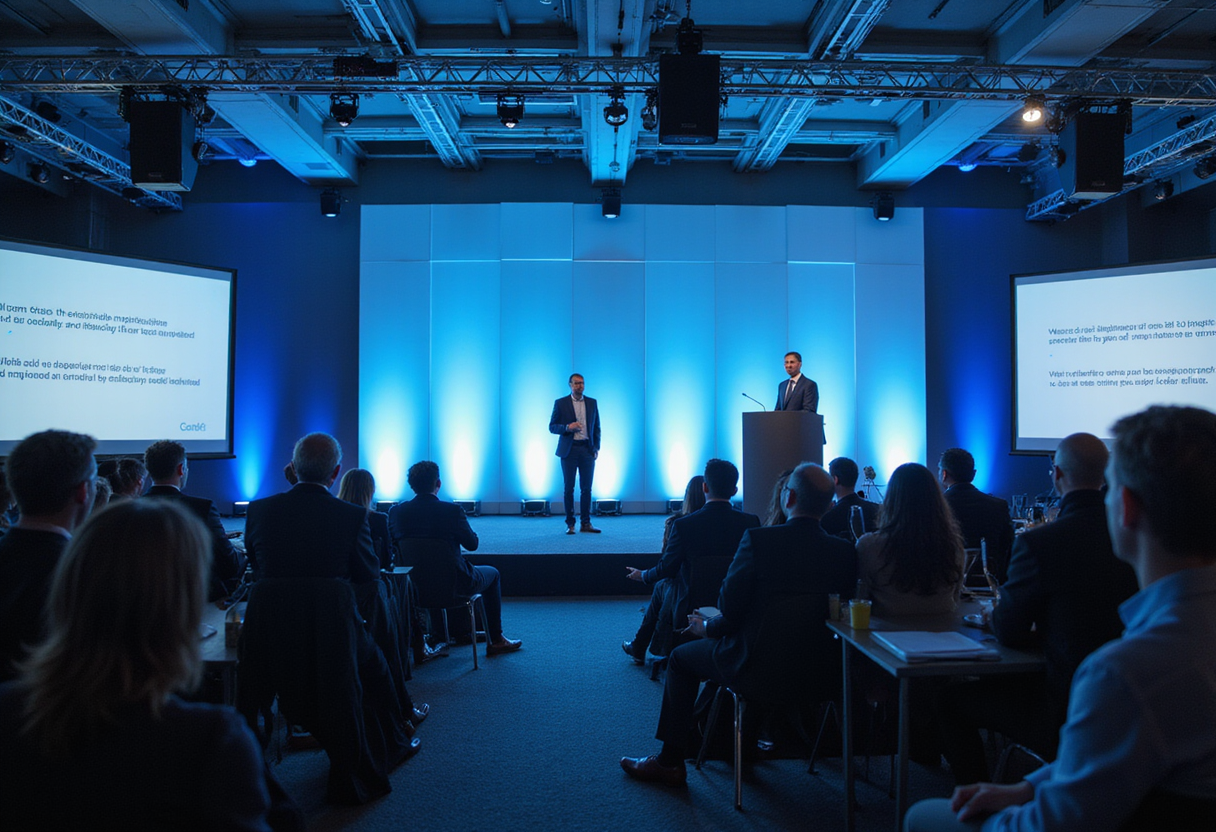
The Gartner HR Conference put practical AI implementation on the agenda for the HR function, and HR Magazine's write-up of the event lays out the lessons practitioners walked away with. The coverage frames the conversation around how employers are moving AI from pilot to production inside hiring, learning and people analytics workflows.
What did the conference actually focus on?
HR Magazine's reporting points to implementation, not inspiration, as the through-line. The piece tracks the shift in tone from earlier Gartner HR gatherings, where the question was whether HR would adopt AI at all, to this edition, where the question is how to govern it once it is live. Attendees cited the recurring challenge of integrating AI into existing HR tech stacks without breaking compliance guardrails around data privacy and adverse-impact testing.
Which HR processes did the sessions drill into?
According to HR Magazine's write-up, the case examples clustered around three workflows:
- Talent acquisition screening and candidate matching
- Internal mobility and skills-graph recommendations
- People-data summarization inside HR service-delivery chatbots
Each of those areas surfaced the same tension: AI tools can compress manual work, but they also expand the surface area for bias audits, model documentation and vendor due diligence.
What does HR Magazine say leaders should watch?
The recurring note in the coverage is that HR cannot delegate AI governance to IT or procurement alone. The piece flags that HR owns the use case and therefore owns the risk profile, a position that tracks with the U.S. Equal Employment Opportunity Commission's May 2022 guidance on AI-enabled employment decisions and the New York City Local Law 144, which took effect July 5, 2023, on automated employment decision tools. HR Magazine's reporting frames those compliance anchors as baseline, not ceiling.
How does this change people-team priorities?
The conference takeaways push HR leaders toward three near-term moves: stand up an AI use-case intake process, document model purpose and data inputs for each deployment, and rehearse adverse-impact testing before any tool reaches candidates or employees. Vendors pitching "plug-and-play" AI received pointed questions from attendees about audit logs, data residency and exit clauses.
What's the open question?
The piece leaves the bigger governance question unanswered: who inside the HR organization signs off on an AI tool before it touches a hiring or performance decision? Gartner's broader research agenda, including its prediction that by 2026 more than 80% of large enterprises will have deployed some form of AI-enabled HR technology, points to scale, but HR Magazine's conference write-up makes clear that scale without named accountability is the failure mode practitioners are trying to avoid.
What should HR readers take from the conference?
The through-line for HR Briefing readers is that AI implementation is now a people-process redesign problem, not a software purchase. The conference sessions, as captured by HR Magazine, treat governance, documentation and bias testing as table stakes. Practitioners who skipped those steps in 2023 and 2024 are now fielding audit requests they were not resourced to handle.
HR Magazine's coverage ends with a forward note: the next wave of conference conversation will shift from whether AI works to who inside HR is accountable when it does not.
Source: Google News: HR technology
More from Priya Raman
Show full bio
Staff writer covering companies, deals and strategy in Recruiting and talent acquisition, learning and development at HR Briefing.
153 articles