SpaceX's ArmyX trains nontraditional hires for data centers
SpaceX says short, modular training can prepare former baristas and shelf-stockers for data-center construction as it expands in Memphis around the clock.
Priya Raman
· 4 min read
SpaceX CEO Elon Musk said he would be surprised if the company added less than 13 gigawatts of compute by the end of 2027. The projection came as SpaceX expands its Colossus 1 and Colossus 2 data centers in Memphis, while its latest earnings report says AI spending is higher than ever and could soon double.
Musk said an internal team called "ArmyX" is helping meet that buildout by breaking data-center construction jobs into smaller tasks that new hires can learn in a few days. That shifts the hiring decision from prior specialist experience toward trainability, potentially opening roles to workers from retail and fast-food backgrounds.
How does ArmyX widen the hiring pool?
Speaking at a remote appearance earlier this week at the TomorrowX Summit in Austin, Musk said: "Those are some of our best people, and they've never done data centers before." He said some of SpaceX's strongest construction workers had entered without previous data-center experience.
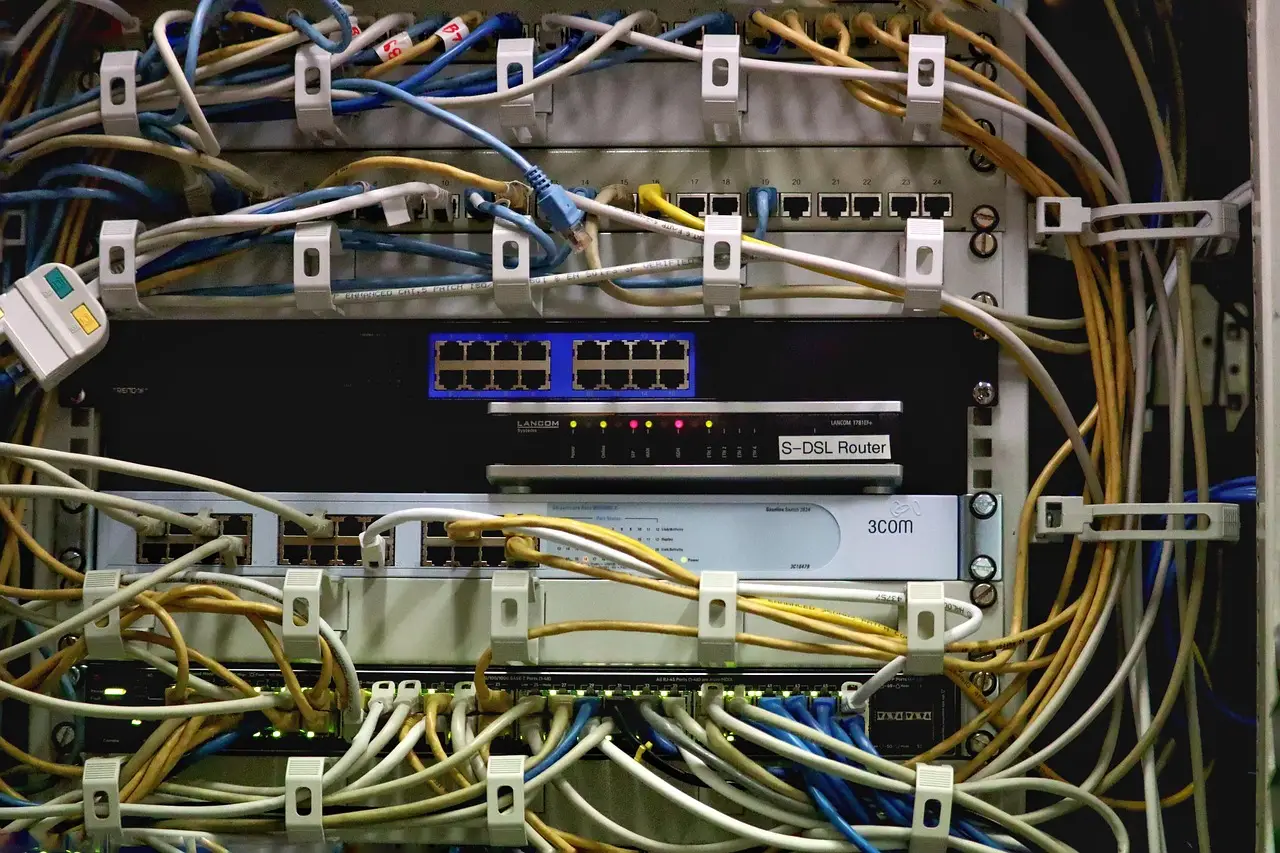
Musk praised the skills and work ethic he sees in retail and fast-food workers. He also cited a former In-N-Out cook, arguing that someone who made burgers all day would do a damn good job with network cables.
"You don't need people that have, say, been doing networking cables for their whole life," Musk said. ArmyX divides the work into units that employers can teach quickly, allowing a former Starbucks barista or a Target shelf-stocker to enter the construction process without years of cabling history.
Musk said ArmyX has assembled the internal team and broken down all the jobs needed to construct data centers. The approach resembles a work-breakdown system: identify repeatable tasks, train workers on those tasks in days and place them within a larger construction schedule.
For employers, the model turns trainability into a screening criterion without proving every job equally accessible. Managers still need to determine which tasks ArmyX can safely separate, what instruction workers receive and who supervises technical decisions.
What does the 13-gigawatt target require?
Musk made the 13-gigawatt forecast during SpaceX's most recent earnings call. The company's latest earnings report says SpaceX is spending more than ever on AI and that the spending could soon double.
Neither figure included a disclosed hiring plan in Musk's account. ArmyX supplies the labor model, while the compute forecast sets the scale that model must support across the Memphis expansion and the company's wider AI buildout.
Musk said ArmyX is powering the expansion of Colossus 1 and Colossus 2, two massive data centers in Memphis. The sites' continuous operation makes workforce planning more complicated than hiring a daytime crew and adding occasional weekend shifts.
SpaceX runs the Memphis operation 24 hours a day, seven days a week. Musk described it as a well-oiled machine and said productivity at 1 or 2 a.m. is roughly the same as at 10 a.m.
How is SpaceX attracting workers?
Business Insider previously reported that SpaceX offered employees a 20% pay increase if they volunteered to work six weeks in Memphis or Southaven, Mississippi, where another large data center is located. The arrangement links a six-week deployment to a substantial premium and gives the company a way to recruit employees for two named locations.
For an HR organization, around-the-clock construction raises work-design questions involving shifts, fatigue, handovers and production tracking. A short training model can expand the available labor pool, but managers still need evidence that new workers can sustain the site's stated output without creating quality or safety gaps.
The source does not state how many employees accepted the six-week assignments or whether the 20% premium applied to every role. It also does not disclose ArmyX's size, training duration by task, acceptance rate or error and safety metrics.
The next test for ArmyX is whether it can turn a few successful examples into a reliable staffing system at 13-gigawatt scale. If SpaceX sustains its current pace, former retail and fast-food workers could become a material construction pipeline rather than a one-off experiment; if productivity slips, the compute target will expose the limits of compressed training.
Source: feeds.businessinsider.com
Filed underArmyxData Center StaffingNontraditional HiringTrainability Based HiringWorkforce Planning
More from Priya Raman
Show full bio
Staff writer covering companies, deals and strategy in Recruiting and talent acquisition, learning and development at HR Briefing.
307 articles