Unretirement is back: Cognition's new CRO explains why golf lost
Retired Snowflake CRO Chris Degnan joined AI coding startup Cognition in September, saying golf was 'not fulfilling' after 18 months away from operating roles.
Daniel Okafor
· 3 min read
Eighteen months after leaving Snowflake, Chris Degnan took a chief revenue officer job at AI coding startup Cognition in September — despite stating flatly that he had "no intent to take an operating job — none."
Degnan explained the reversal on an episode of Kleiner Perkins' podcast released Monday. His reasoning touches two things HR leaders deal with weekly: why senior executives unretire, and what happens when an advisor jumps to a competitor.
Why did a retired CRO come back?
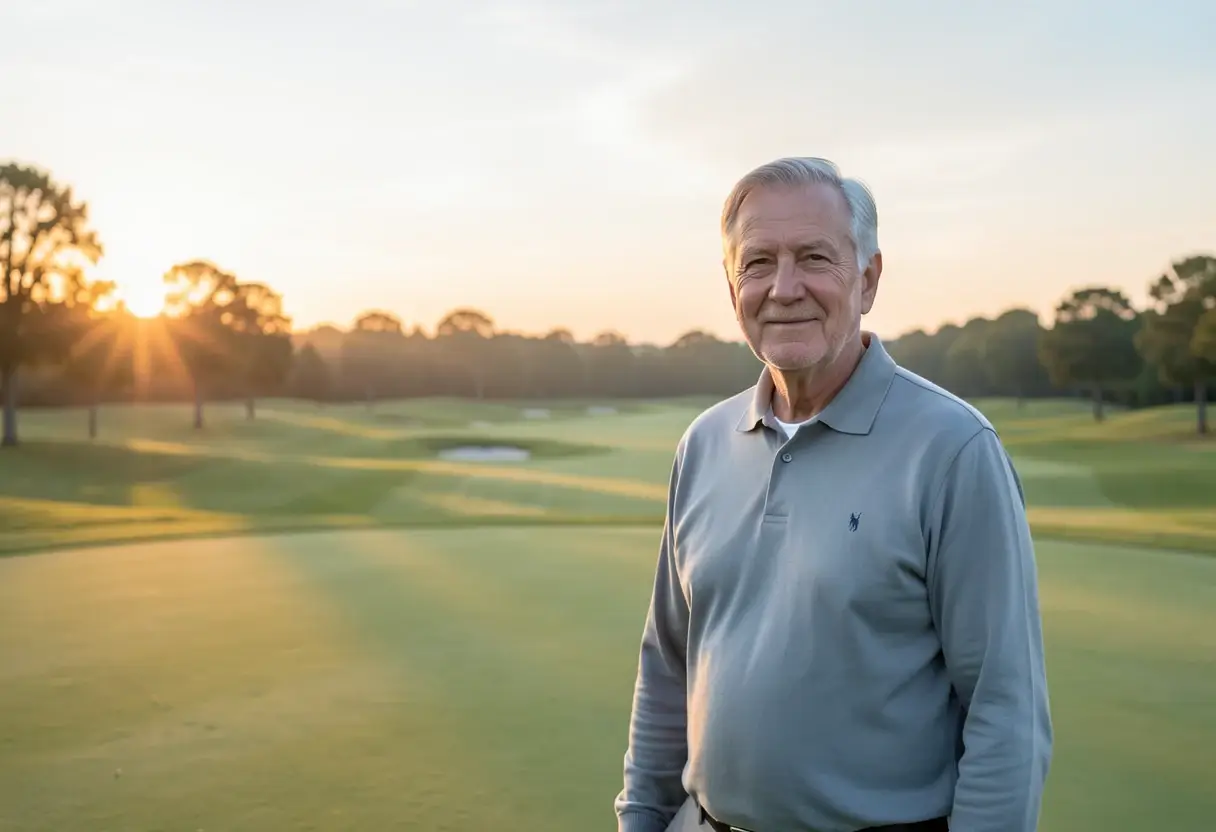
The short version: leisure underdelivered. After more than a decade at Snowflake, where he rose from sales leader to CRO at the software-as-a-service company, Degnan retired and split his time between golf and advising startups.
"I was done," he said of his mindset on leaving. But 18 months away from full-time work changed the arithmetic.
"It's all well and good that I could go and play golf every single day of the week at 10 in the morning," Degnan said. "It's not fulfilling."
Cognition, the maker of the AI coding agent Devin, initially got a decline. Degnan turned down outreach about the job. Company president Russell Kaplan persuaded him to take a meeting anyway. After learning about the company's growth, Degnan woke the next day with a binary conclusion: "Either I'm never going to do another operating job, which was in the cards, or I'm going to do this."
One month in, he gave the experience a stark rating: "In a month on the job, it's 10 times more fulfilling." He also framed the return as personal rather than financial. "I have the luxury of not having to do these things," he said. "I'm having a ton of fun doing it."
For HR teams, the signal is blunt. Money did not retrieve this executive. Meaning did — specifically, being, in his words, "in the middle of this insane thing," referring to the market's AI momentum.
What about the advisor conflict?
The hire came with a public dispute. Degnan had been an advisor and board observer at Factory, a rival AI coding startup. In September, Factory CEO Matan Grinberg said the company had terminated Degnan, accusing him of holding undisclosed discussions with Cognition while advising Factory on confidential matters.
Degnan denied sharing Factory information. He said Cognition never asked for it and that he would never provide it. He announced his CRO role shortly afterward.
The episode is a live case study in advisor governance — the contractual and disclosure safeguards around part-time talent who sit close to sensitive information at multiple companies.
Is unretirement a trend or an anecdote?
Degnan is one of several high-profile executives who returned after stepping down:
- Sergey Brin, Google's cofounder, left a management role at Alphabet in 2019 but later said he was working at Google "pretty much every day," drawn back by the pace of AI.
- Michael Dell left the CEO job at Dell in 2004 and resumed it in 2007 at the board's request.
The pattern suggests retirements at the senior level can function more like unpaid leave than exits. That has practical consequences for succession planning, alumni networks and non-compete design — and, as the Factory dispute shows, for how firms treat advisors who keep one foot in the market.
For now, the AI sector's pull on experienced operators appears strong enough to cancel golf.
Source: feeds.businessinsider.com
More from Daniel Okafor
Show full bio
Senior reporter covering technology and product news in Recruiting and talent acquisition, learning and development at HR Briefing.
295 articles